
Why Is My Garage Door So Loud?
You press the button on your garage door opener and instead of a smooth, quiet operation, you're greeted with grinding, squealing, popping, or rattling sounds that make the neighbors look over. If your garage door has started making noises it never used to make, something is trying to tell you it needs attention.
A noisy garage door is one of the most common complaints we hear from homeowners in Martinsburg and the surrounding areas. The good news is that most garage door noises point to identifiable problems, many of which can be resolved before they turn into expensive repairs. The bad news is that ignoring those sounds usually makes things worse.
Let's break down the most common garage door noises, what causes them, and what you should do about each one.
Squealing or Screeching Sounds
A high-pitched squeal or screech when your garage door moves is one of the most common — and most annoying — noises homeowners deal with. This sound typically comes from one of three sources:
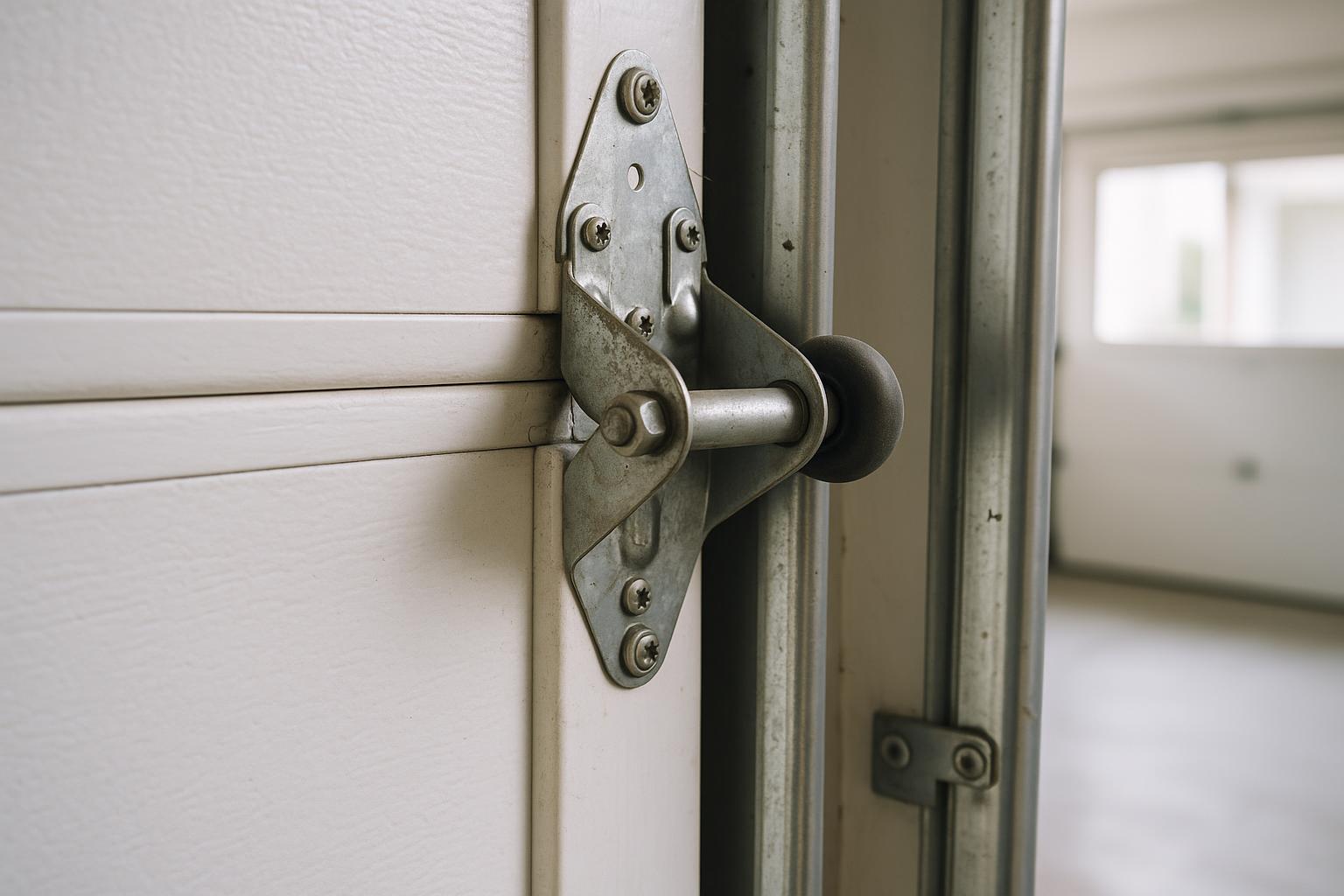
- Dry or worn rollers: Metal rollers that haven't been lubricated will grind against the tracks, creating that unmistakable screech. Nylon rollers are quieter but can also wear down over time and start making noise.
- Lack of lubrication on hinges and bearings: Every moving part on your garage door system needs periodic lubrication. When hinges, bearing plates, or pivot points dry out, metal-on-metal contact produces squealing sounds.
- Torsion spring friction: Your torsion springs coil and uncoil every time the door moves. Without proper lubrication, the coils can rub together and create a squealing or groaning noise.
In many cases, applying a garage door-specific lubricant (not WD-40, which is a solvent, not a lubricant) to the rollers, hinges, springs, and bearing plates can quiet things down significantly. If the noise persists after lubrication, the rollers or other hardware may need to be replaced.
Grinding or Scraping Noises
Grinding sounds are harder to ignore and usually signal a more serious issue. Common causes include:
- Misaligned tracks: If the vertical or horizontal tracks that guide your garage door have shifted even slightly, the door can scrape or grind against them as it moves. You might also notice the door moving unevenly or getting stuck partway.
- Worn-out rollers: Rollers that are cracked, chipped, or have lost their shape won't glide smoothly through the tracks. Instead, they drag and grind.
- Bent track sections: A track that's been dented or bent — whether from an impact or gradual wear — will cause the door to grind every time it passes the damaged area.
Track alignment issues should be handled by a professional. Attempting to bend or adjust tracks without the right tools and knowledge can make the problem worse or create a safety hazard. If you're hearing grinding sounds from your garage door here in Martinsburg, give us a call before the problem escalates.
Banging or Popping Sounds
A sudden bang or pop when your garage door opens or closes can be startling. These sounds often indicate:
- Torsion spring issues: A loud bang, especially if the door suddenly becomes very heavy or won't open at all, could mean a spring has broken. This is a serious issue that requires immediate professional repair — torsion springs are under extreme tension and are dangerous to handle without proper training and tools.
- Panel shifting: If the door panels aren't properly secured or have become warped, they can pop or snap as they flex during operation.
- Opener strain: An opener that's working harder than it should — due to a balance issue, worn springs, or obstruction — may produce banging or clunking sounds from the motor unit.
If you hear a single loud bang followed by your door not working properly, do not try to operate the door. A broken spring under tension is a serious safety concern.
Rattling or Vibrating Sounds
A rattling garage door often points to loose hardware. Over time, the constant vibration of daily operation can loosen nuts, bolts, screws, and brackets throughout the door system. Common culprits include:
- Loose track brackets: The brackets that mount the tracks to the wall and ceiling can work themselves loose, causing the entire track to vibrate when the door moves.
- Loose chain or belt on the opener: If the drive chain or belt on your garage door opener has too much slack, it can slap or rattle during operation.
- Worn or loose hinges: Hinges connect the individual panels of your garage door. When they wear out or loosen, they rattle with every movement.
A thorough tightening of all hardware can often solve rattling problems. However, be careful not to overtighten — stripping bolt holes in the door panels can create new problems. During a routine maintenance visit, we check and tighten all hardware as part of the service.
When to DIY and When to Call a Professional
Some garage door noise issues are safe for homeowners to address on their own:
- Applying garage door lubricant to rollers, hinges, springs, and bearing plates
- Tightening loose bolts and screws on brackets and hinges
- Visually inspecting tracks for obvious debris or obstructions
However, certain repairs should always be left to a trained technician:
- Replacing or adjusting torsion springs
- Realigning or replacing tracks
- Replacing rollers (especially on doors with torsion spring systems)
- Diagnosing and repairing opener motor issues
- Addressing cable problems
Garage doors are the largest moving object in most homes and weigh several hundred pounds. Working on components under tension without proper training can result in serious injury.
Preventive Maintenance Keeps Things Quiet
The best way to prevent a noisy garage door is regular maintenance. We recommend having your garage door professionally serviced at least once a year. During a maintenance visit, a technician will lubricate all moving parts, tighten hardware, inspect springs and cables for wear, check track alignment, and test the balance and safety features of your door.
Many of the homeowners we work with across Martinsburg, Charles Town, Shepherdstown, and Hedgesville tell us they didn't realize how quietly a garage door could operate until after a maintenance visit. Regular upkeep not only keeps things quiet but extends the life of your entire garage door system.
Don't Ignore the Noise
A noisy garage door is more than just an annoyance — it's often an early warning sign that something needs repair. Catching problems early almost always saves money compared to waiting until something breaks completely.
If your garage door is making sounds that concern you, Martinsburg Garage Door is here to help. We serve homeowners and businesses throughout the Eastern Panhandle of West Virginia, and we're happy to diagnose the issue and give you an honest recommendation on what needs to be done. Reach out to us today to schedule an inspection or repair.