
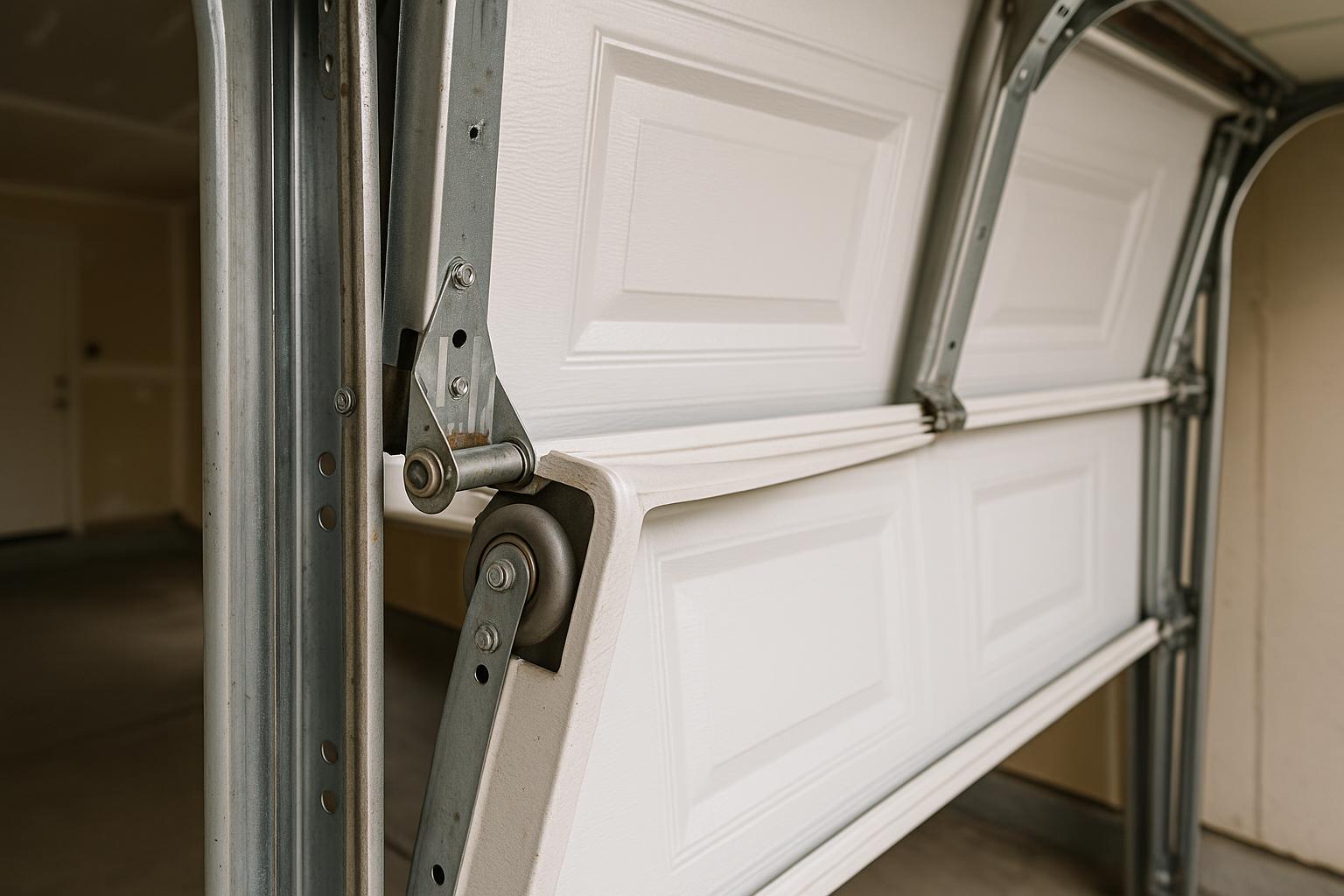
When Your Garage Door Jumps the Tracks
Your garage door relies on a pair of metal tracks to guide it smoothly up and down every time you open or close it. When everything is aligned, you barely think about it. But when a garage door comes off track — even slightly — it can jam, hang at an angle, or refuse to move at all. Worse, it can become a serious safety risk for your family and your property.
Homeowners across Martinsburg deal with off-track garage doors more often than you might expect, especially in older homes or after a minor impact. The good news is that catching the problem early can save you from a much more expensive repair down the road. Here's how to recognize the signs and what steps to take.
What Causes a Garage Door to Go Off Track?
Understanding why garage doors come off their tracks can help you prevent it from happening in the first place. Here are the most common causes:
- Impact damage: Accidentally backing into your garage door with a vehicle is one of the most frequent causes. Even a low-speed bump can bend a track or knock a roller out of alignment.
- Worn or broken rollers: The small wheels that ride inside the tracks wear down over time. When a roller cracks or falls apart, the door can slip out of the track on that side.
- Broken cables: Lift cables work alongside your springs to raise and lower the door evenly. If a cable snaps or comes loose, the door can drop unevenly and jump the track.
- Track misalignment: Vibration from daily use, temperature changes, and the natural settling of your home can gradually shift the tracks out of alignment. This is especially common in homes throughout the Eastern Panhandle, where seasonal temperature swings are significant.
- Obstructions: Debris, tools, or other objects caught in the track can force the door off course as it moves.
- Broken springs: When a torsion or extension spring breaks, the sudden shift in tension can cause the door to move unevenly, potentially forcing it off the tracks.
Warning Signs Your Garage Door Is Off Track
Sometimes a garage door goes completely off track and it's obvious — the door hangs crooked, won't move, or makes a terrible grinding noise. But other times, the signs are more subtle. Watch for these red flags:
Visible Gaps Between the Rollers and Track
Take a close look at both sides of your garage door where the rollers sit inside the vertical and curved tracks. If you see any roller that's partially or fully outside the track channel, your door is off track. Even a small gap is cause for concern.
The Door Looks Crooked or Uneven
Stand inside your garage and look at the door when it's closed. If one side sits lower than the other, or if the door appears tilted, the tracks or rollers on one side may have shifted. This uneven positioning puts extra stress on the entire system.
The Door Moves Slowly or Gets Stuck
An off-track door often hesitates, stutters, or stops partway through its travel. You might notice it moves fine for a few feet and then jams. This usually means a roller is catching on a bent section of track.
Scraping or Rubbing Sounds
While we've covered unusual noises in a previous post, a specific metal-on-metal scraping sound — different from squealing or grinding — often points to the door rubbing against a misaligned track. It's a distinctive sound that gets worse over time.
Gaps Along the Bottom or Sides
When the door is closed, check for gaps of light along the edges or bottom. An off-track door often can't seal properly, which lets in drafts, rain, pests, and dust — not ideal during Martinsburg's humid summers or cold winters.
What You Should Do If Your Garage Door Is Off Track
If you suspect your garage door has come off its tracks, here's the most important advice: stop using it immediately. Continuing to operate an off-track door — whether manually or with an opener — can cause the door to fall, the tracks to bend further, or the cables and springs to snap under uneven stress.
Step 1: Don't Try to Force It
It's tempting to try to push or pull the door back into position, but garage doors are incredibly heavy — most residential doors weigh between 130 and 350 pounds. Attempting to manhandle an off-track door puts you at serious risk of injury.
Step 2: Disconnect the Opener
If your garage door opener is still engaged, pull the emergency release cord (usually a red handle hanging from the opener rail) to disconnect the door from the automatic opener. This prevents the motor from trying to move a jammed door, which could cause additional damage to both the opener and the door itself.
Step 3: Secure the Door
If the door is partially open and you're concerned about security, use C-clamps or locking pliers on the track below the bottom roller to keep the door from sliding further. Do not attempt to close it fully.
Step 4: Call a Professional
Getting a garage door back on track safely requires specialized tools, knowledge of the spring and cable system, and experience handling heavy panels under tension. This is not a DIY project. A trained technician can assess whether the tracks need to be realigned, replaced, or whether other components like rollers, cables, or springs also need attention.
Can You Prevent Your Garage Door from Going Off Track?
While some causes — like accidentally hitting the door with your car — are hard to predict, regular maintenance goes a long way toward preventing track problems. Here are a few proactive steps:
- Schedule annual maintenance: A professional inspection once a year can catch worn rollers, loose track brackets, and early signs of misalignment before they become serious problems.
- Keep the tracks clean: Wipe down the inside of both tracks periodically to remove dirt, cobwebs, and debris. Avoid using heavy grease on the tracks — a light silicone-based lubricant on the rollers is all you need.
- Inspect the hardware: Check the bolts and brackets that hold the tracks to the wall and ceiling. Tighten anything that's come loose from vibration.
- Replace worn rollers: Nylon rollers typically last longer and operate more quietly than steel ones. If your rollers look cracked, chipped, or wobbly, it's time for replacements.
- Be mindful of clearance: Make sure nothing is stored close enough to the tracks to interfere with the door's path.
Get Your Garage Door Back on Track in Martinsburg
Dealing with an off-track garage door is stressful, especially when it affects your daily routine or leaves your home unsecured. At Martinsburg Garage Door, we've repaired countless off-track doors for homeowners in Martinsburg, Charles Town, Shepherdstown, Ranson, Hedgesville, and Inwood. We show up on time, diagnose the problem quickly, and get your door operating safely again.
If your garage door looks crooked, won't move, or something just doesn't seem right, don't wait for the problem to get worse. Give us a call and we'll take care of it.